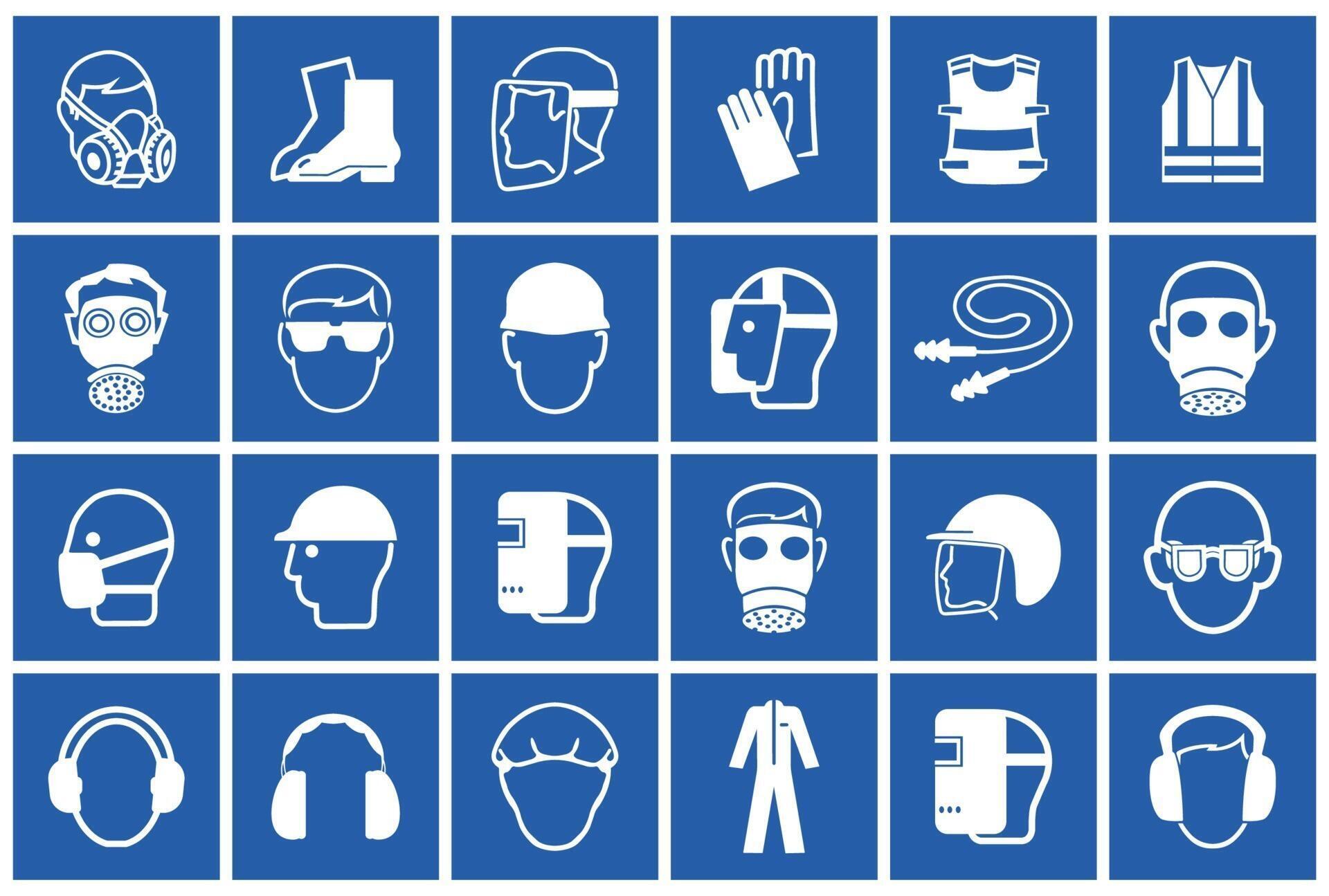


Every year, American industries throw away over 7 billion tons of waste. This includes millions of pounds of personal protective equipment that usually ends up in landfills.
Managing ppe waste tn companies face is a big challenge. Industrial facilities in Tennessee struggle with high disposal costs and want to protect our environment.
For over 30 years, companies like Envirowclean have helped facilities cut down their environmental impact. We focus on sustainable ppe disposal methods that turn liabilities into opportunities.
We use a mix of proven strategies and new solutions. We help facilities make practical changes to follow rules and save money. These steps protect your workers and future generations.
Key Takeaways
- Industrial facilities can reduce environmental impact through proper protective equipment disposal methods
- Sustainable disposal practices often result in significant cost savings for companies
- Tennessee businesses have access to proven solutions that ensure regulatory compliance
- Innovative approaches can transform environmental liabilities into business opportunities
- Immediate implementation of responsible disposal practices benefits both workforce and environment
- Decades of industry experience provide reliable frameworks for sustainable operations
Understanding the Environmental Impact of PPE Waste
It’s important to know how PPE waste affects our environment. The rise in protective gear has led to big environmental problems. Every piece of discarded PPE is a threat and a chance for change.
The covid-19 ppe disposal crisis shows our waste problem’s size. Millions of masks, gloves, and suits end up in landfills yearly. These items can take up to 450 years to break down.
When PPE waste breaks down wrong, it pollutes our soil and water. We’ve seen how microplastics from gloves pollute local water. This pollution harms wildlife and people for many years.
Burning PPE also pollutes the air. It releases harmful fumes that cause breathing issues and climate change. We need to stop these harmful methods.
“The environmental cost of improper PPE disposal extends far beyond what meets the eye, affecting entire ecosystems through chemical leaching and microplastic contamination.”
But, healthcare protective equipment recycling offers hope. Closed-loop systems prevent pollution and turn waste into resources. This reduces landfill waste.
Companies that use sustainable practices show great results. Advanced recycling can turn up to 95% of PPE into new products. This cuts down environmental harm and creates value.
| Environmental Impact | Traditional Disposal | Sustainable Methods | Improvement Rate |
|---|---|---|---|
| Landfill Waste | 100% to landfill | 5% to landfill | 95% reduction |
| Water Contamination | High chemical leaching | Minimal impact | 85% reduction |
| Air Pollution | Toxic incineration fumes | Clean processing | 90% reduction |
| Resource Recovery | Zero material recovery | 95% material reuse | 95% improvement |
Companies have a big role in solving this crisis. Knowing these impacts helps us make better choices about covid-19 ppe disposal. Our choices today shape our future.
We need to commit to healthcare protective equipment recycling and green practices. We should see PPE waste as a chance to lead in environmental protection. Our planet needs our choices now.
Types of PPE Waste Generated in Industrial Settings
Industrial places make different kinds of PPE waste that need special handling. Each type has its own environmental challenges and chances for green management. Knowing these waste types helps us make plans that follow medical facility waste regulations and cut down on harm to the environment.
We find four main kinds of protective gear waste in work places. These range from lots of disposable items to complex products made of many materials. Correctly identifying and sorting these waste types is key to any good environmental program.
Disposable Glove Disposal Challenges
Disposable glove disposal is our biggest waste problem in most work places. These gloves often get dirty with oils, chemicals, or germs. Because of this, they can’t be recycled without special treatment.
There are a few big issues with glove waste management:
- They are made in huge amounts during busy times
- They get contaminated with chemicals that need special handling
- They are made of different materials, making recycling hard
- There’s a risk of getting things mixed up during collection and storage
Many places find that disposable glove disposal costs can go down with the right sorting systems. We suggest using separate bins for different kinds of contamination. This makes it easier to process and recycle them.
Face Mask and Respirator Waste
Face masks and respirators have become a big waste problem because of COVID-19. They have special filters and might carry germs. So, we treat them as possibly infectious waste in many work places.
The main things to think about when disposing of them are:
- The filters can’t be recycled the usual way
- The elastic straps and metal nose pieces need to be separated
- They might carry germs that need special care
- There’s a lot of them during health crises or when work is risky
Some places can start reusable respirator programs. This cuts down on waste a lot while keeping workers safe. The important thing is to have good cleaning and sanitizing rules that meet safety standards.
Protective Clothing and Coveralls
Protective clothes and coveralls have the most chance to be reused. But, worries about getting dirty often mean they’re thrown away after use. We help places find ways to clean and reuse these items.
Common protective clothing waste includes:
- Disposable coveralls and suits
- Aprons and sleeves that protect against chemicals
- Boot covers and shoe protectors
- Hair nets and beard covers
We suggest checking if each type of protective clothing can be reused. Items that aren’t too dirty can often be washed and used again. This needs money for cleaning facilities but saves a lot of money in the long run.
Medical facility waste regulations might apply to some protective clothing. We help places figure out which items need special disposal versus regular waste handling.
Face Shields and Eye Protection Equipment
Face shields and eye protection have mixed materials that make recycling hard. They mix plastic visors, foam, elastic, and sometimes metal. They need to be taken apart to recycle properly.
We see these common eye protection waste items:
- Disposable face shields with plastic visors
- Safety glasses with polycarbonate lenses
- Goggles with rubber seals and adjustable straps
- Welding masks with special filter lenses
Many places don’t realize that face shields and safety glasses can be reused. These items can often be cleaned, sanitized, and reused many times before they need to be thrown away. We help set up rules for checking, cleaning, and giving out reusable eye protection.
The secret to managing all PPE waste well is to know and sort them right. We’ve found that companies can fix and recycle personal protective equipment that would normally be thrown away. This turns waste problems into chances to save money and protect the environment.
Tennessee Hazardous Waste Management Regulations
Tennessee has strict rules for managing PPE waste in industrial settings. Knowing these rules helps companies dispose of waste properly and protect the environment. The state’s rules mix federal EPA standards with local needs.
Industrial sites must follow both state and federal rules for contaminated PPE. Tennessee’s environmental agency works with the EPA to enforce waste management rules. Early planning helps companies avoid last-minute compliance issues.
State-Specific PPE Disposal Requirements
Tennessee has clear rules for disposing of PPE with hazardous substances. We must sort waste according to state rules for collection and transport. Keeping detailed records is also required.
Facilities must keep detailed records of PPE waste. Tracking systems help record waste volumes, types, and disposal methods. Tennessee’s rules aim to prevent environmental harm through proper handling.
The state offers incentives for companies that go beyond minimum standards. We can use these chances to reduce waste. Green initiatives often meet regulations and save costs.
Medical Facility Waste Regulations Compliance
Medical waste rules in Tennessee apply to facilities using PPE in healthcare settings. We must follow strict standards for collection, storage, treatment, and disposal of contaminated equipment.
Compliance strategies include meeting ISO 14001 standards and EPA rules for contaminated materials. Working with certified disposal partners makes compliance easier. They offer expertise in following regulations.
The rules encourage sustainable practices. Choosing disposal methods that meet regulations and environmental goals is cost-effective. Certified partners ensure compliance and sustainability.
| Regulatory Aspect | State Requirements | Federal Standards | Compliance Benefits |
|---|---|---|---|
| PPE Classification | Tennessee-specific contamination categories | EPA hazardous waste definitions | Proper waste stream identification |
| Documentation | State tracking forms and manifests | Federal manifest requirements | Complete audit trail maintenance |
| Transportation | Licensed Tennessee haulers | DOT hazmat regulations | Safe and legal waste movement |
| Disposal Methods | State-approved treatment facilities | EPA treatment standards | Environmental protection assurance |
Step 1: Conducting a Detailed PPE Waste Assessment
Understanding what waste your facility generates is key to a good environmental PPE program. We must look at every part of our current waste disposal before making changes. This first step helps us create sustainable ppe disposal systems that are good for the environment and our finances.
We check how we buy, use, and throw away protective gear in all areas. We make a detailed list of each protective item used. This list shows us where we can cut down on waste and work more efficiently.
This process also shows us hidden costs that many overlook. We find that our current ways of getting rid of waste cost more than we thought. Every program starts with a detailed service audit to figure out the best waste management setup.
Identifying Current Waste Streams
We list all PPE types used in different areas. We document how often they get contaminated and how often they need to be thrown away. This helps us see which areas produce the most waste and why.
We look at gloves, masks, face shields, and other protective gear. We check if they’re used once and then thrown away or if they can be used again. This info is key when we look at hospital waste solutions and recycling options.
Different areas in a facility have their own PPE needs and waste challenges. We document these differences to make sure our waste management plan works for everyone.
Measuring Disposal Volumes and Costs
Measuring how much waste we have helps us know where to start improving. We track how often waste is thrown away, how full our containers are, and how often we pick up waste. These details help us make our waste collection better.
We also look at the cost of getting rid of waste, including fees, container rentals, and time spent on waste management. Often, facilities don’t realize how much their current waste disposal costs. This analysis shows how we can save money by using sustainable ppe disposal methods.
Our measurements help us see how we’re doing over time. These numbers are important when we show our environmental efforts to others and to government agencies.
Step 2: Implementing Proper Waste Segregation Systems
Setting up proper waste segregation makes disposing of waste easier and better for the environment. We create systems that handle ppe waste tn well and help recycle more. These systems make sure waste goes to the right places.
Good segregation cuts down on contamination and boosts recycling chances. We tailor our systems to fit Tennessee’s needs. This helps meet rules and protect the environment.
“Proper waste segregation is the cornerstone of successful environmental management programs, turning waste streams into resource recovery opportunities.”
Dedicated Collection Points
We place collection points in key spots to make things easier and follow rules. These spots are near where PPE is used and removed. We provide everything needed to start right away.
Each spot has clear signs and is easy to get to. We make sure pickups fit with the facility’s schedule. This keeps areas clean and organized. We also replace materials often to keep things running well.
Color-Coded Container Systems
Our color-coded containers make sorting easy and cut down on mistakes. Different colors mean different types of waste. We make sure face mask recycling tennessee fits into our design.
Blue containers are for recyclable PPE, and red ones for contaminated waste. Yellow containers are for items needing special handling. This system makes it simple for everyone to know what to do.
Each container has labels for what can go in it. We also give out guides that last in tough places. These guides help avoid mixing up different types of waste.
Staff Training Protocols
We offer detailed training to make sure everyone knows how to sort waste right. Our training covers what PPE materials are and how to dispose of them. We use real materials for hands-on learning.
We hold regular sessions to keep standards high and teach about new ppe waste tn rules. We make visual guides to help remember how to sort. This helps staff spot and avoid contamination.
Our training shows how important proper segregation is for the environment. Employees see how their actions help with face mask recycling tennessee and bigger sustainability goals. This leads to lasting changes that help the program succeed.
Step 3: Selecting Certified Medical Waste Disposal Tennessee Partners
Choosing the right medical waste disposal partners is key. We look at their licenses, certifications, and green practices. The right medical waste disposal Tennessee partner affects the environment and follows rules.
Our goal is to find partners skilled in healthcare protective equipment recycling and care for the environment. We serve across the country, including Alabama, Arkansas, and Tennessee. This lets us find the best partners everywhere.
Evaluating Local Disposal Companies
Local companies are great for quick service and knowing the area well. We look for those who know Tennessee’s rules and offer reliable service. They often give better service and respond fast in emergencies.
We check if they can handle different types of PPE waste. They should be good at picking up, moving, treating, and reporting on waste. The best ones do it all well.
We also look at what others say and how reliable they are. Companies with good reputations are consistent and rarely have problems. Good partnerships let us focus on our work while they handle waste.
Verifying Licenses and Environmental Certifications
First, we check if they have the right licenses. Tennessee has special rules for medical waste, and we make sure they follow them. We check if they have the needed permits.
Environmental certifications show they care about the planet. We look for ISO 14001 and healthcare protective equipment recycling programs. These show they’re serious about being green.
We also check if they follow rules and have insurance. They need to show permits, insurance, and follow environmental laws. Checking this way keeps us safe and ensures good service.
The best partnerships offer full waste management and clear reports. This makes them accountable and helps us see how they’re doing.
PPE Waste TN: Exploring Local Recycling and Sustainable Options
Tennessee offers great chances for protecting our environment through PPE recycling. Local recycling turns old waste into valuable resources. This supports our state’s green goals and helps both businesses and communities.
Advanced recycling breaks down PPE into useful materials. It uses special methods to clean and reuse equipment. This way, materials go back to work, and solvents are used again.
This closed-loop system cuts down pollution and waste. Companies save money and get better service from local recycling centers.
Healthcare Protective Equipment Recycling Programs
Tennessee’s recycling for healthcare gear now helps many industries. This opens up new chances for factories to recycle instead of throw away. We suggest checking out these options.
Recycling centers use proven methods to handle contaminated gear safely. They follow strict rules and recover a lot of materials. This helps companies save money and meet environmental rules.
Face Mask Recycling Tennessee Initiatives
Face mask recycling in Tennessee has grown a lot. Now, factories can recycle masks at a lower cost than before. This helps the planet and saves money.
These programs work with different types of masks, like N95 and surgical ones. Special techniques ensure safe recycling. Plus, they offer easy pickup times for factories.
Hospital Waste Solutions for Industrial Use
Hospital waste solutions work well for factories too. They use tested methods that factories can start using right away. These methods come from healthcare and work well in factories.
Factories get to use decades of healthcare waste management knowledge. These solutions include tracking and meeting rules. They offer a reliable way to recycle PPE in factories.
Step 4: Developing Reusable PPE Programs
Reusable PPE programs are key for companies aiming at sustainable ppe disposal. We guide businesses to switch from disposable to reusable gear. This move cuts down on waste and saves money in the long run.
Our method supports eco-friendly practices while keeping safety high. Reusable PPE programs benefit both the planet and the company’s wallet. We’ve seen waste drop by up to 60% in some cases.
Identifying Suitable Reusable Equipment
We first check your PPE to find items that can be reused. Face shields, safety goggles, and some protective clothes can be cleaned and used again. These are the best choices for reuse.
We look at how durable the equipment is, how it’s cleaned, and if it meets safety standards. Items that stay safe and effective after being used many times are perfect for reuse.
Repair services are key to making PPE last longer. We connect you with experts who fix damaged gear so it’s good as new. This turns single-use items into long-lasting protectors.
Establishing Cleaning and Sanitization Protocols
We create strict cleaning rules that meet top safety standards. Our sanitization methods kill germs without harming the equipment. Safe cleaning ensures workers stay protected with each use.
Our covid-19 ppe disposal plans include special cleaning for pandemic gear. We make sure to remove viruses while keeping the gear usable longer. These steps follow CDC and local health guidelines.
Training staff is essential for a successful reusable PPE program. We teach them how to clean, check, and ensure the equipment is safe. This training keeps everyone following the same cleaning rules.
Linking reusable PPE with recycling efforts makes waste reduction complete. We design systems that recycle gear at the end of its life. This approach is good for the environment and keeps workers safe.
Step 5: Creating Comprehensive Employee Training Programs
We believe that well-designed employee education programs create lasting change in PPE waste management behaviors. Effective training transforms individual actions into collective environmental stewardship, ensuring every team member understands their role in protecting our environment. Our approach combines environmental awareness with practical disposal techniques, creating a workforce that takes personal responsibility for sustainable practices.
Building successful training programs requires more than basic instruction. We focus on creating engaging, memorable experiences that connect daily actions to broader environmental outcomes. Outstanding customer service extends to environmental stewardship, with staff remembering proper procedures and providing personalized attention to waste management details.
Environmental Impact Education
We start our training programs by helping employees understand how PPE disposal choices affect air, water, and soil quality. This foundational knowledge creates emotional investment in proper practices. Our educational approach demonstrates the connection between workplace actions and community environmental health.
Visual aids and real-world examples make environmental concepts accessible to all learning styles. We show how improper disposal contributes to microplastic pollution and groundwater contamination. Employees who understand environmental consequences become natural advocates for sustainable practices.
Regular updates keep our team informed about evolving environmental research and new disposal technologies. We emphasize that each person’s choices contribute to our organization’s overall environmental footprint.
Proper Disposal Technique Training
Hands-on training with actual PPE items ensures employees master proper segregation techniques and container usage. We provide detailed instruction on medical facility waste regulations and tennessee hazardous waste management requirements, ensuring complete compliance understanding.
Our practical demonstrations cover contamination prevention methods and proper handling procedures for different PPE types. Staff learn to identify which items require special disposal and which can enter standard waste streams. Quick response to questions and personalized guidance helps reinforce proper techniques.
We conduct regular assessments to ensure knowledge retention and proper implementation. These evaluations identify areas needing additional reinforcement and help us update training materials based on real workplace challenges.
Ongoing reinforcement programs address changing regulations and new disposal technologies. We’ve learned that effective training requires continuous updates. Our approach creates a culture of environmental awareness that supports sustainability goals while maintaining operational efficiency throughout our organization.
Cost-Effective Strategies for Sustainable PPE Disposal
Discovering that green PPE disposal saves money is key. Many think it costs too much upfront. But, with the right plan, it can save a lot and help the planet.
Seeing sustainability as an investment, not a cost, is the first step. Companies that go green often cut costs right away. We show them how being eco-friendly can also be good for their bottom line.
Budget Planning for Eco-Friendly Solutions
Start by looking at what you’re spending on disposal now. Make a detailed budget that includes all costs. This way, you can spot savings that traditional methods miss.
When planning your green switch, remember these key costs:
- Initial setup costs for new systems and training
- Equipment investments in reusable gear and cleaning
- Partnership fees with recycling companies
- Ongoing operational expenses for upkeep and checks
Companies can break even in the first year. The best plans simplify suppliers and methods. This leads to big savings on overhead.
Recycling healthcare PPE cuts costs right away. It helps the environment and saves money. Our clients see lower disposal fees quickly.
Calculating Long-Term Cost Savings
For long-term savings, look at many factors. We build detailed models that include labor, transport, and rules costs. This shows the real value of going green.
Our studies show big savings through:
- Extended equipment lifecycles from repair and refurb
- Reduced supplier relationships for easier buying
- Lower disposal fees from recycling deals
- Decreased regulatory compliance costs from simpler waste
Recyclable absorbents and PPE repair lead to the biggest savings. They cut down on buying new stuff. Companies can save 30-40% on PPE costs in two years.
Healthcare protective equipment recycling also opens up new revenue streams. Some make money by selling materials back to makers. This turns waste into profit.
Our data shows sustainable PPE disposal saves a lot after the first year. It combines lower costs, longer equipment life, and better operations for lasting benefits. Companies that invest in green practices are set for success and care for the planet.
Monitoring and Documenting Your Environmental Progress
Tracking and documenting your environmental efforts is key. It shows you’re making a real difference. We set up systems to track PPE waste, turning it into a chance to protect the environment. Our goal is to show clear results that meet rules and help us get better over time.
Good monitoring systems are the backbone of success. They help spot trends, improve processes, and share successes with others. Companies that track their waste well do better than those that just throw it away.
Tracking Waste Reduction Metrics
We use detailed systems to measure waste and its impact. Our focus is on tangible outcomes that show how well we’re doing. We look at how much waste we’ve cut, how clean our waste is, and how much we recycle.
We track ppe waste tn in many areas. We measure how much we save on gloves, how many masks we recycle, and how much we reuse protective clothes. This helps us find the best ways to help the environment.
We use machines, digital tools, and audits to collect data. Thanks to our work, many organizations have cut millions of pounds of waste. Our data shows quick wins and long-term gains.
Maintaining Compliance Documentation
We keep detailed records to meet medical facility waste regulations and help our programs grow. Our records cover how we dispose of waste, who we work with, and how we affect the environment. This way, we stay in line with rules and learn how to do better.
Our records include audit trails, certifications, and reports on how we’re doing. We watch for rule changes, update our methods, and keep our records up to date. This keeps us safe from fines and helps us reach our environmental goals.
We share updates regularly to show how we’re doing. We send out monthly, quarterly, and yearly reports. These show our measurable environmental leadership and help with budgeting and growing our programs.
Our records fit right into your quality management systems. We make sure tracking waste fits with your operations and keeps all the records you need for rules and getting better.
Best Practices for Long-Term COVID-19 PPE Disposal Success
Creating a lasting COVID-19 PPE disposal program is key to environmental protection and operational success. It’s not just about starting something. It’s about keeping it going and getting better over time.
Our experience shows that successful programs keep getting better. They adapt to new needs while staying true to environmental values. Consistency and reliability are the heart of good waste management.
Continuous Improvement Strategies
We regularly review our programs to find ways to improve. We look at how much waste we produce, how much it costs, and its environmental impact. Data-driven decisions help us make smart changes.
We value feedback from everyone involved. Employees, partners, and regulators all have a say. Their input helps us make our processes better and tackle new challenges.
Using new technology makes our disposal work better. We check out new tools, tracking systems, and methods often. Innovation drives progress in managing waste sustainably.
We use systems to keep track of how well we’re doing. We watch things like how much waste we cut down, how well we follow rules, and how much money we save. Regular reports keep everyone updated on our success.
Staying Current with Evolving Regulations
We stay close to Tennessee hazardous waste management agencies. This helps us know about changes in rules early. Being proactive helps avoid big problems.
Our team goes to conferences and training to stay up-to-date. These events give us the latest on rules and best practices. Continuous learning keeps our knowledge sharp.
We’ve worked with disposal services for over two years. They provide reliable and timely services that meet changing standards. Long-term partnerships help us stay steady in a changing world.
We keep our documentation systems ready for new reporting needs. We update our records as rules change. This keeps us in line without slowing down operations.
Our COVID-19 PPE disposal plans learn from past experiences. We’re ready for future challenges while keeping our operations top-notch. Resilient systems protect the environment and keep businesses running smoothly.
Conclusion
We’ve given you a full guide to turn PPE waste management into a business chance. Our detailed plan shows how green PPE disposal adds value. It does this by cutting down waste, lowering costs, and making workplaces safer.
Start small and grow your efforts for the best results. First, do a waste check. Then, set up systems to sort waste and work with approved disposal firms. Each step helps you meet environmental rules and saves money.
Companies in Tennessee are seeing big wins from these steps. They save money, follow rules better, and look better to customers. Moving to PPE waste TN solutions helps your business and our planet.
It’s time to make these changes now. We face big environmental issues, and the solutions we’ve shared work. By taking care of PPE waste, you help the planet and your business grows.
Don’t wait to start. Every day you wait means lost chances for saving money and protecting the environment. We believe companies following this guide will succeed financially and protect the environment.