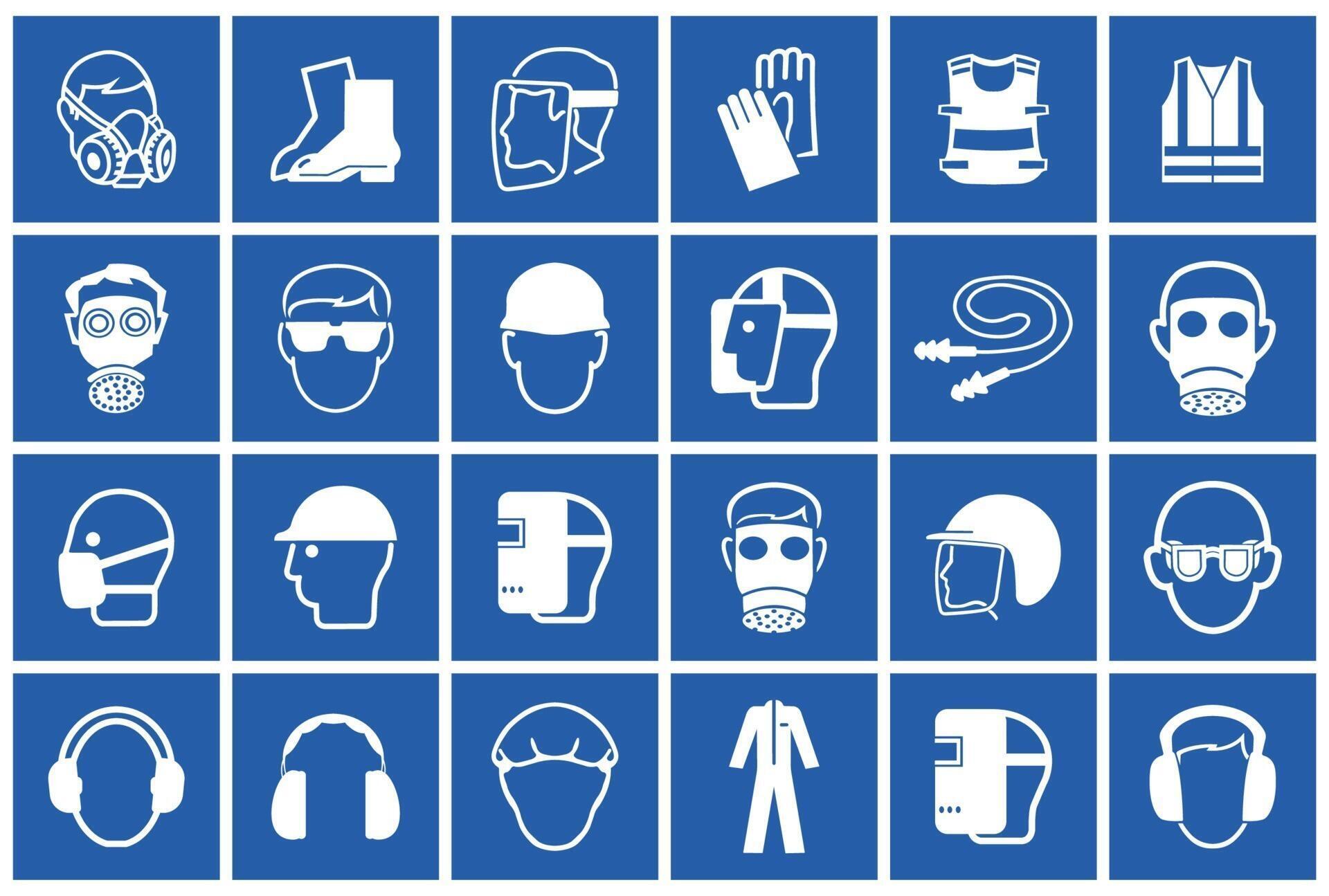


Imagine your employees putting on their protective gear every morning. But what happens when those essential safety items wear out? For Tennessee business owners, this is a big problem that’s more than just throwing away trash.
With more rules for workplace safety, companies are trying to figure out how to dispose of PPE properly. Compliance isn’t just about following rules – it’s about avoiding fines and doing the right thing for our planet.
Businesses in Tennessee have found ways to recycle responsibly. Envirowclean, in Jackson, has been leading the way since 1983. They show us that responsible disposal practices help both businesses and our communities.
We’ll show you how to follow mask recycling tn rules. This guide covers everything from knowing the laws to setting up affordable recycling programs. We focus on tennessee mask recycling to help you meet legal standards and protect the environment.
Key Takeaways
- Tennessee businesses must follow specific regulations for PPE disposal and waste management
- Proper compliance protects companies from legal liability and potential fines
- Sustainable disposal programs can reduce operational costs while supporting environmental goals
- Established providers like Envirowclean offer proven solutions for industrial and commercial facilities
- Implementing effective waste stream reduction strategies benefits both business operations and community health
- Understanding state requirements is the first step toward building a compliant disposal program
Understanding Tennessee’s Mask Recycling Regulations for Businesses
Tennessee has a complex system for mask disposal and recycling. It involves state agencies, local governments, and federal workplace safety groups. Each part has its own rules for businesses to follow.
The rules for covid-19 ppe recycling have changed a lot since the pandemic started. Tennessee businesses now have to follow stricter rules and keep detailed records. Knowing these rules helps companies avoid fines and supports the environment.
State-Level Environmental Protection Requirements
The Tennessee Department of Environment and Conservation sets the basic rules for PPE waste management. Used masks are considered potentially infectious waste in some cases. Healthcare and high-risk workplaces have to follow stricter rules than offices.
Businesses must handle masks responsibly to avoid contaminating regular waste. They need to separate PPE from regular recyclables and trash. This keeps waste workers safe and prevents pollution.
Companies like Envirowclean help meet these state rules with special collection and processing services. They ensure compliance with environmental standards and EPA rules for hazardous waste.
Local Municipality Guidelines and Variations
Cities like Nashville, Memphis, and Knoxville have their own mask disposal rules. These rules are often stricter than state laws. Some cities require special labels for PPE waste or specific collection times.
Nashville focuses on separating waste properly and containing used masks. Memphis aims to prevent waste contamination. Knoxville requires detailed records for businesses with a lot of PPE waste.
It’s important to check with your local environmental health department for specific rules. These rules can change often based on local health and waste management needs.
OSHA Compliance Considerations for Workplace PPE
OSHA adds another layer of rules for workplace PPE management. Employers must provide safe ways to dispose of contaminated masks and other protective gear. They also need to train employees on handling used PPE.
Workplaces with bloodborne pathogen risks must treat used masks as infectious waste. This means using special disposal methods and certified providers. Regular offices usually have less strict rules but still need to follow basic safety steps.
OSHA can fine companies for bad PPE disposal practices. Businesses must keep detailed records of their covid-19 ppe recycling and training. These records help prove compliance and show areas for improvement.
Why Proper Mask Recycling TN Compliance Matters for Your Business
Smart Tennessee businesses know that recycling masks is more than just following rules. It’s about building a sustainable future. By understanding the value of compliance, companies can change for the better. This change brings lasting benefits.
In today’s world, just following rules isn’t enough. Companies that recycle masks well stand out. They show they care about the future and their community.
Legal Liability and Penalty Avoidance
Not following Tennessee’s mask recycling rules can lead to big fines. These fines can be much more than the cost of recycling programs. We’ve seen fines from thousands to tens of thousands of dollars for not managing PPE waste right.
Ignoring recycling laws can also lead to lawsuits. Environmental groups and nearby businesses might sue. The legal costs can hurt small to medium businesses a lot.
Having the right recycling plans and documents can protect you. It shows you’re trying to follow the rules. This can lower fines if you make mistakes.
Environmental Responsibility and Corporate Image
Today, people and partners expect companies to care about the environment. Not recycling masks properly adds to pollution and waste. Businesses that ignore this risk losing their good name.
Starting green mask initiatives can make customers and employees happier. Being green is a big plus in a competitive market. We’ve seen companies get more contracts because they’re green.
Good recycling programs get you praised on social media and in reviews. But bad practices get you criticized. This can hurt your sales and ability to attract new employees.
Cost-Effective Waste Management Solutions
Recycling masks properly can save money in the long run. Companies like Envirowclean show how it prevents pollution and cuts waste costs. It’s a win-win.
Recycling in bulk is cheaper than throwing away waste. You can get better deals with certified recyclers. This saves money and makes things easier to manage.
Modern recycling tech helps businesses meet green goals without breaking the bank. It cuts down on waste and might even get you tax breaks. Investing in recycling now saves money and makes your business more efficient.
Step 1: Assess Your Current Mask Disposal Practices
Starting a recycling program means first checking how we dispose of waste. We need to see how our business handles PPE disposal before we can start sustainable face mask practices. This step helps us find where we’re not following the rules and sets the stage for success.
Our assessment has three main parts. We look at our waste, find problem spots, and collect data for our recycling plan.
Conducting a Waste Audit of PPE Materials
We track every PPE item from when it arrives to when it’s thrown away. We map out the life of masks and protective gear. This includes where they’re stored, how they’re used, and what happens after.
We check all places where waste is thrown away in our workplace. Look for collection bins, trash cans, and any other places people might throw away masks. Companies like Envirowclean start by checking our current systems and needs.
It’s important to check different shifts and areas. We often find that different teams dispose of PPE in different ways. This creates problems that need fixing.
Identifying Non-Compliant Disposal Methods
Some common mistakes include throwing masks with regular trash or not separating PPE materials. We need to find these issues before they cause big problems.
Watch out for these signs during your check:
- Masks thrown in regular trash bins instead of designated PPE containers
- Contaminated and clean PPE mixed together
- Lack of proper labeling on disposal containers
- Employees disposing of masks in personal workspace trash
For mask disposal nashville compliance, remember to check local rules. These can be different from state laws and cause problems if not known.
Calculating Volume and Types of Masks Used
Knowing how many masks we use helps us plan our recycling program. We track masks used every day, week, and month.
Keep a record of the masks you use. Different masks need different recycling methods. Surgical masks, N95 respirators, and cloth face coverings all have their own rules.
Make a simple system to track:
- Total number of masks distributed daily
- Types and brands of masks purchased
- Estimated weight of disposed PPE materials
- Peak usage periods and seasonal variations
This information helps us create a recycling plan that fits our needs. Whether we’re small or big, knowing our usage helps us use sustainable face mask practices effectively.
Step 2: Establish Proper Mask Collection Systems
The second step is to set up a system for collecting masks. This system should work for your whole team. It makes sure every mask goes to the right place for recycling.
Having a good system helps you follow rules and use eco-friendly mask solutions. It’s good for your business and the planet.
For Tennessee businesses, getting help from professionals can make things easier. Companies like Envirowclean offer support. They provide containers, clean them, check them, and take them away for recycling.
Designated Collection Points
Put collection points in places where lots of people go. Good spots are near entrances, break rooms, and where people work. This makes it easy for everyone to use the right bin.
Make sure each bin is easy to find. Think about where people walk, when they change shifts, and when it’s busiest. Having multiple collection points helps avoid jams and keeps everyone using the bins.
Color-Coded Disposal Containers
Use colors to show which bin is for what. For example, blue for surgical masks and green for N95 respirators. This makes it easy to know where to throw things away.
Also, add labels to the bins. Show what can go in each one. This helps avoid mistakes and makes sure materials are ready for recycling.
“Proper segregation at the collection point is crucial for successful recycling outcomes and maintaining compliance with Tennessee environmental regulations.”
Staff Training Procedures
Training is key to keeping your system working well. Start with a big training session. Teach how to dispose of masks right, how to identify bins, and why it’s important.
Then, have smaller sessions to remind everyone. This helps answer any questions and keeps everyone on track.
Training should also show how it helps the environment. When people see how their actions help, they’re more likely to keep up the good work.
Keep records of who was trained and when. This helps show you’re serious about being green.
Step 3: Partner with Certified Tennessee Recycling Facilities
Working with certified recycling facilities makes disposing of masks easy. The right partner will handle tennessee mask recycling needs and ensure your business follows the law. Look for companies with a good track record and wide service options.
Finding the right partner takes research and careful thought. You need to check their certifications, where they serve, and if they can handle your volume. Choosing well saves you from legal trouble and makes your operations smoother.
Researching Licensed PPE Recycling Companies
First, find companies that focus on covid-19 ppe recycling in Tennessee. Choose those with special PPE processing over general waste companies. They know how to deal with mask materials and follow strict protocols.
Envirowclean in Jackson, Tennessee, is a great example of a partner to look for. With over 40 years in PPE recycling, they serve nationwide and have a reliable truck fleet in Tennessee.
Check each company’s service area and how much they can handle. Some facilities may have limits or need a certain amount of waste. Talk to several to see who fits your needs best.
Verifying Certifications and Compliance Records
Checking certifications keeps your business safe. Ask for proof of environmental permits, waste handling licenses, and any special certifications. Companies doing tennessee mask recycling should have up-to-date permits from state and federal agencies.
Look up their compliance history online. Check for any fines or actions that show they might have problems. A clean record means they’re reliable and less risky for you.
Ask for references from other businesses. Companies with good reputations will share testimonials and case studies. This shows their quality and reliability.
Negotiating Service Agreements and Pickup Schedules
Make agreements that meet your covid-19 ppe recycling needs and follow the law. Include emergency pickup options, what documents you need, and service guarantees. Clear agreements avoid confusion and ensure good service.
Think about how often they pick up, if they provide containers, and how they transport waste. Companies like Envirowclean offer flexible schedules and have been helping since 1983. They’re reliable for the long term.
Work out prices that fit your budget and expected volume. Many providers offer discounts or bundled services to save money. Make sure the agreement can change as your needs do.
Set up clear communication and reporting. Regular updates on pickups, confirmations, and compliance help keep things running smoothly and ready for inspections.
Sustainable Face Mask Practices for Long-Term Compliance
We believe that sustainable face mask practices are key to long-term success. They help businesses meet today’s rules and prepare for tomorrow’s. By using eco-friendly mask solutions, you help your business and the planet.
Success comes from a plan that covers now and the future. It needs careful planning and consistent action at all levels of your company.
Implementing Reusable Mask Programs
Reusable mask programs are great for businesses wanting to be green. They cut down waste by up to 90% compared to throwaway masks. But, it’s important to have good cleaning rules and know when to replace them.
It’s key to have clear rules for cleaning masks. Training staff is also important to keep masks clean and last longer. Think about working with experts in cleaning PPE.
Changing masks regularly keeps them working well. Most reusable masks need to be replaced every 30-50 washes, depending on the material and how often they’re used.
Choosing Eco-Friendly Disposable Options
When we still need single-use masks, picking eco-friendly mask solutions helps the planet. Look for masks made from plants or those that can be recycled.
These masks might cost a bit more, 10-15% than regular ones. But they’re better for the environment.
Envirowclean’s recycling shows how to make single-use items last longer. It saves money and ensures safety. Their work proves you can be green without losing safety or efficiency.
Developing Internal Sustainability Policies
Having internal policies helps make consistent choices about masks. These policies should cover how to buy masks, how to use them, and how to throw them away.
It’s a good idea to have clear rules for choosing mask suppliers. Look for those with green packaging and sustainable making methods.
Keep reviewing your policies to stay up-to-date with new rules and tech. Keep records of your sustainable face mask practices to train staff and show you’re committed to being green.
By adding these green steps to your plan, you’re ready for today and tomorrow. It shows you really care about the planet and being responsible.
Step 4: Document and Track Your Recycling Efforts
Tracking and documenting your mask recycling program makes it more than just a task. It turns it into a key part of your business. Keeping records is crucial to avoid fines and show you care about the environment.
Creating a good documentation system is more than just saving receipts. It’s the backbone of your recycling efforts. It shows you’re serious about green mask initiatives.
Creating Compliance Documentation Systems
Start by setting up clear procedures for tracking your recycling program. Use standardized forms to record every step, from collection to disposal.
Track important details like the types and amounts of masks collected. Also, note the collection dates and who was responsible.
Companies like Envirowclean help with this. They offer detailed tracking and manifests. This makes keeping records easier for your team.
Digital systems are better than paper for keeping records. They’re organized, easy to search, and backed up. Cloud-based systems let many people update records at once.
Maintaining Recycling Records and Certificates
Keeping records right is key. Organize them so they’re easy to find during audits. Your recycling certificates prove your masks were handled correctly.
Every recycling step should have its own documents. Keep these in order and have both digital and physical copies.
Check your certificates carefully. They need to have all the right info, like license numbers and dates. Missing or wrong info can cause problems.
Do regular checks on your records. This helps spot issues early. Monthly reviews keep your program on track and show you’re serious about following rules.
Preparing for Regulatory Inspections
Inspections can come without warning. Be ready by organizing your documents well. Make reports that show your progress in green mask initiatives.
Preparation is more than just organizing papers. Train your team on how to handle inspections. Choose people who can quickly find and explain your recycling program.
| Documentation Type | Retention Period | Storage Method | Access Level |
|---|---|---|---|
| Collection Records | 3 Years | Digital + Physical | Management Team |
| Recycling Certificates | 5 Years | Secure Digital Archive | Compliance Officer |
| Pickup Manifests | 3 Years | Cloud Storage | Facility Managers |
| Training Records | 2 Years | HR Database | HR Department |
Good documentation is crucial for inspections. Make sure all records are complete and signed. Missing or wrong signatures can cause trouble, even if you’re following the rules.
Improving your documentation shows you’re serious about compliance. Regular updates to your system show you’re committed to responsible mask handling and protecting the environment.
Common Compliance Mistakes Tennessee Businesses Should Avoid
Businesses in Tennessee often make predictable mistakes with mask disposal. These errors can harm the environment and lead to legal issues. They usually happen when companies don’t train their teams well or don’t have clear rules.
Knowing these common mistakes helps businesses avoid them. Companies like Envirowclean show how to reduce waste and stay compliant. They prove that avoiding these mistakes is possible.
Mixing PPE with Regular Waste Streams
The biggest mistake is mixing contaminated masks with regular office waste. This happens when employees don’t know how to dispose of masks properly. It also occurs when waste collection systems are not clear or easy to find.
When masks mix with regular waste, it causes big problems. It makes recycling hard, increases environmental harm, and can lead to legal trouble.
To avoid this, businesses should use color-coded disposal containers. They should also train staff regularly. Having clear signs and easy-to-find collection points helps ensure masks are disposed of correctly.
Failing to Maintain Proper Documentation
Another big mistake is not keeping good records. Even if a business recycles well, not having the right documents can lead to fines. We’ve seen businesses with great recycling programs get in trouble because they couldn’t show proof during inspections.
Important documents include:
- Recycling certificates from certified facilities
- Pickup schedules and waste volume records
- Staff training documentation and dates
- Compliance audit reports and corrective actions
Keeping organized records helps businesses avoid fines and shows they care about the environment. Using digital systems can make this easier and prevent mistakes.
Ignoring Local Municipality Requirements
Many businesses in Tennessee focus on state rules but forget about local ones. Mask disposal Nashville rules, for example, might be different from state rules. Businesses need to follow both.
Different places in Tennessee have different rules for:
- Collection frequency and methods
- Approved recycling facility partnerships
- Reporting timelines and documentation formats
- Special handling procedures for contaminated materials
We suggest checking with local environmental departments often. This way, businesses can avoid costly mistakes and stay in compliance.
By understanding and avoiding these mistakes, Tennessee businesses can protect the environment. They can also make sure their recycling programs follow all rules.
Cost-Effective Strategies for Small and Medium Businesses
We know that small and medium businesses need affordable ways to recycle masks. Even with tight budgets, you can still meet Tennessee’s environmental rules. By using smart strategies, you can stay within budget and still follow the rules.
At first, recycling services might seem too pricey. But, the right plan can actually save you money. Companies that manage their waste better often save a lot over time.
Collaborative Recycling Programs with Other Businesses
Working with nearby companies can help share costs. Collaborative recycling programs let businesses split fees and transport costs. This makes recycling services more affordable for smaller businesses.
Industry groups and local networks can help find partners. Together, you can get better deals and more frequent pickups.
These programs also support mask upcycling projects that are too expensive for one business. They show your company’s commitment to the environment while saving money.
Bulk Purchasing of Sustainable Mask Options
Buying masks in bulk lowers the cost per mask. Bulk purchasing agreements with green suppliers offer discounts and longer payment terms. This helps manage your budget and supports the environment.
Reusable masks are a smart long-term choice. They might cost more upfront, but they save money in the long run. With proper care, they can last for months.
Grouping bulk orders with other businesses increases savings. This way, smaller companies can get the same deals as big ones.
Leveraging Tax Incentives for Green Practices
Tennessee has tax breaks for businesses that go green. Environmental tax credits can cover recycling costs and equipment. Learning about sustainable waste management can help you find more credits.
Federal tax deductions add to the savings. Keeping detailed records of your green efforts helps you claim all the credits. This can cut your compliance costs by 20-30%.
Companies like Envirowclean show how partnerships can simplify recycling. Their all-in-one services help businesses save money while following the rules. This proves that you can be green and profitable at the same time.
Small and medium businesses can have effective recycling programs without breaking the bank. These strategies make recycling services affordable and beneficial for growing companies.
Conclusion
We’ve covered the key steps for following mask recycling tn rules in Tennessee. It’s all about knowing the state laws and setting up the right recycling systems. Each step helps create a solid plan for managing waste, protecting your business, and the planet.
Starting with a review of your current mask handling is crucial. Many Tennessee businesses save money by working with certified recycling places. Companies like Envirowclean offer free advice and quotes to help cut down on waste and meet environmental standards.
Investing in good mask recycling programs brings many benefits. You’ll lower legal risks, boost your company’s image, and save money on waste management. Whether you’re a small business in Nashville or a big factory in Tennessee, these strategies can work for you.
We urge you to begin by checking how you handle PPE waste. Reach out to recycling experts who can help you follow the rules. Remember, it’s not just about following laws. It’s about showing you care about the environment and your business’s responsibility.
It’s time to take action. Your business, community, and the planet will all gain from your efforts in recycling masks in Tennessee.